
Is LiFePO4 Better Than Lead-Acid? (2026 Comparison)
Is LiFePO4 Better Than Lead-Acid?
For most solar and backup applications in 2026, yes — lithium iron phosphate (LiFePO4) beats lead-acid on almost every measure that matters: cycle life, usable capacity, efficiency and cost per delivered kilowatt-hour. Lead-acid is not obsolete, though. It still wins in a few narrow cases, and knowing where the crossover sits will save you from overpaying in either direction.
The Short Answer
A LiFePO4 battery usually costs more upfront than a lead-acid battery of the same nominal capacity, and far less over its life. You can use 80–100% of an LFP battery's capacity without harming it, while lead-acid should only be discharged to about 50%. That single difference means a 100Ah LiFePO4 pack delivers roughly twice the usable energy of a 100Ah lead-acid pack — and it does so for 4,000–8,000 cycles instead of 300–700. Over ten years the lithium option is cheaper, lighter and maintenance-free.
Why Lead-Acid Still Exists
Lead-acid is cheap to manufacture, well understood and easy to recycle. It tolerates cold charging in some conditions, survives abuse without a battery management system, and remains the default for car starter batteries and short-term, low-cost backup. If your requirement is a heavy, inexpensive battery that runs a small load occasionally, lead-acid can still make sense — especially where the battery will be replaced before its cycle limit ever matters.
Lifespan and Cycle Count
Cycle life is where the gap is widest. A quality LiFePO4 cell is rated for 4,000–8,000 full cycles down to 80% of original capacity; a good deep-cycle lead-acid battery manages 300–700 cycles at 50% depth of discharge, and fewer if it is discharged deeper. In a daily-cycling solar system that is roughly 10–15 years of LFP service against 2–4 years for lead-acid. If you cycle daily, you will replace the lead-acid bank several times before the LFP pack reaches the end of its life. Our guide to how long solar batteries last explains the calendar-life side of the same equation.
Usable Capacity: The Depth-of-Discharge Difference
Quoted amp-hour ratings hide the most important practical difference. Lead-acid batteries are damaged by deep discharge, so a 100Ah lead-acid bank realistically gives you about 50Ah of usable energy. LiFePO4 cells tolerate 80–100% depth of discharge, so a 100Ah LFP pack gives you 80–100Ah. In other words: to get the same usable energy as one 100Ah LFP battery you need roughly two 100Ah lead-acid batteries — and you pay for, transport and house both of them.
Weight and Space
Lead-acid is heavy: roughly 30–40Wh per kilogram, against 90–160Wh per kilogram for LiFePO4. A 5kWh lead-acid bank typically weighs 150kg or more, while an equivalent LFP pack weighs about 50kg and takes up a fraction of the volume. For a wall-mounted home battery, a rack installation, or anything that has to be carried up a flight of stairs, this is often the deciding factor.
Efficiency and Charging
Lead-acid wastes more of the energy you put into it — round-trip efficiency is typically 80–85%, against 92–96% for LiFePO4 — and its charge acceptance tapers sharply above roughly 80% state of charge, so the final part of the charge takes hours. LFP accepts full current for longer and does not need the long absorption phase lead-acid requires. In an off-grid or self-consumption system, that efficiency difference shows up directly in your usable energy every single day.
Cost Over Ten Years
| Chemistry | Usable depth of discharge | Rated cycles | Replacements in 10 years (daily cycling) | Relative 10-year cost |
|---|---|---|---|---|
| Lead-acid (AGM / GEL) | ~50% | 300–700 | 3–5 | Higher |
| LiFePO4 | 80–100% | 4,000–8,000 | 0–1 | Lower |
The headline price per battery is not the number that matters; price per usable kilowatt-hour delivered over the battery's life is. Because lead-acid delivers half the usable energy and lasts a fraction as long, its apparent price advantage disappears once replacements, labour and the duplicated capacity are included. For the full arithmetic on a home installation, our breakdown of UK solar battery costs compares turnkey pricing with building your own.
Safety and Maintenance
Lead-acid batteries vent hydrogen while charging and must be installed where that gas can escape; flooded types need periodic water top-ups and terminal cleaning. LiFePO4 is sealed, maintenance-free and managed by a BMS that enforces voltage, current and temperature limits. Neither chemistry should be abused, but for a battery inside a home or a garage the sealed, maintenance-free option is easier to live with — our LiFePO4 vs lithium-ion comparison covers the lithium chemistry variants in more detail.
When Lead-Acid Still Makes Sense
- Very small, occasional loads where the battery rarely cycles.
- Temporary or seasonal installations where the battery will be replaced within a few years anyway.
- Cold-charge conditions where a heated LFP pack is not practical.
- Projects where the lowest possible upfront cost outweighs lifetime cost.
For anything that cycles daily — a solar self-consumption system, an off-grid home, or a backup system that runs regularly — LiFePO4 is the better economic choice and usually the better technical one.
Frequently Asked Questions
Can I replace a lead-acid battery with LiFePO4?
Often yes, with caveats: check the voltage window of your charger and inverter, because LFP has a different charge profile, and confirm the charger can be set to a lithium profile. Many hybrid inverters and solar charge controllers include a lithium setting; older equipment may not.
Do I need a different charger for LiFePO4?
You need a charger or controller with a LiFePO4 or adjustable profile. Charging LFP with a lead-acid-only profile will usually undercharge it and can shorten its life; charging to the correct absorption and float voltages is what delivers the cycle life the battery is rated for.
Is LiFePO4 worth the higher upfront price?
For daily-cycling applications, yes — the longer life and doubled usable capacity usually make it cheaper per delivered kilowatt-hour within a few years. For a battery that rarely cycles, a cheap lead-acid unit can still be the rational choice.
Dig deeper: compare LiFePO4 with lithium-ion chemistries, read how long solar batteries last, check whether a solar battery is worth it, or learn to build your own LiFePO4 battery.
Upgrade from lead-acid to LiFePO4.
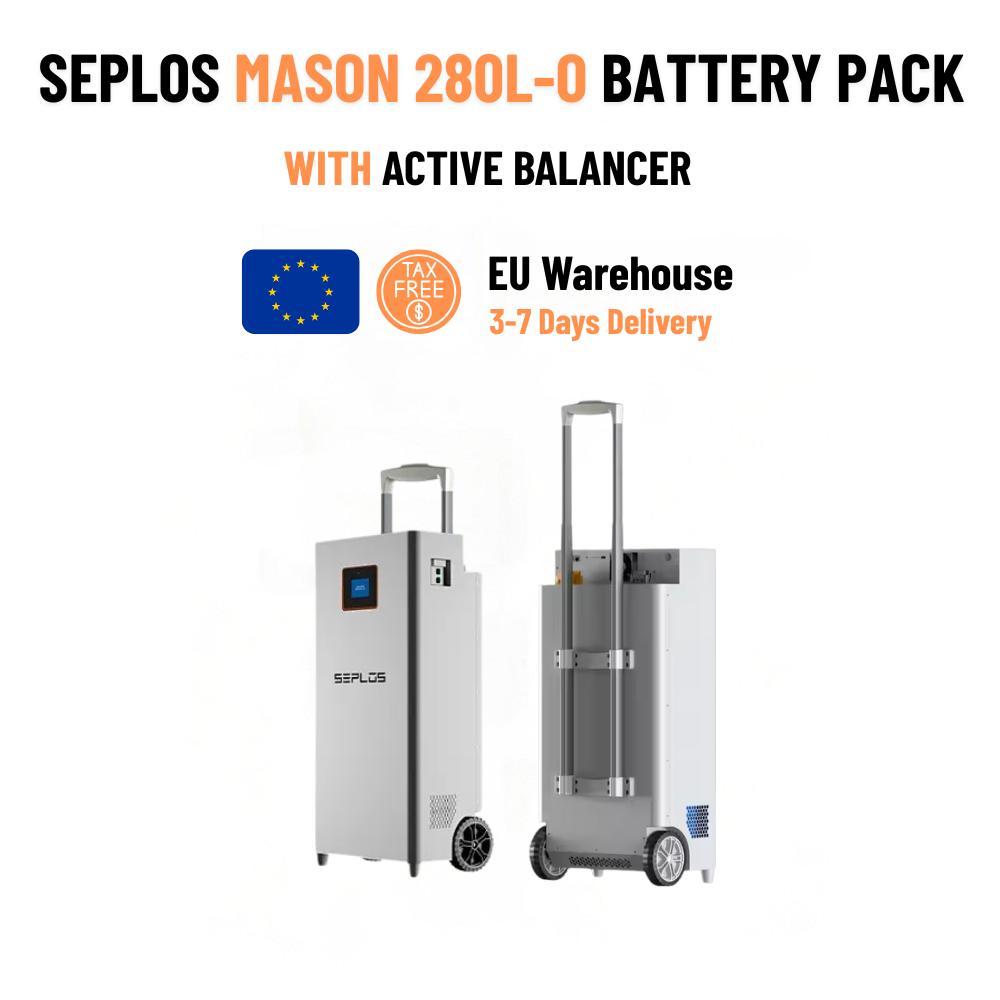
Grade A LiFePO4 cells, EU-stock battery packs and DIY kits from 5kWh to 32kWh — shipped from our EU warehouse in 4–7 days, no customs duties.
👉 Shop EU Stock Battery Packs · DIY Battery Kits
